Deear Magazine


Context
Editorial design is often understood as the arrangement of existing content. Deear Magazine approaches it differently: publication structure is treated as an active narrative medium.
Meaning develops through sequence, pause, contrast, repetition, and emphasis.
The reader does not encounter every story at once.
The structure of the publication therefore influences not only what is seen, but how attention moves and how emotion accumulates over time.
00
00
00
00
00
00
00
00
00
00
00
00
00
00
00
00
00
00
00
00
00
00
00
00
00
00
00
00
00
00
00
00
00
00
00
00
00
00
00
00
00
00
00
00
00
00
00
00
00
00
00
00
00
00
00
00
00
00
00
00
00
00
00
00
00
00
00
00
00
00
00
00
00
00
00
00
00
00
00
00


How can editorial structure shape the way stories are experienced rather than simply presented?
Investigation


The research connects editorial systems, typography, reading behaviour, visual rhythm, narrative sequencing, and emotional pacing.
Its purpose was not to decorate content. It was to understand how editorial decisions guide interpretation: where the reader slows down, what becomes prominent, which relationships appear between stories, and how space can create anticipation or reflection.
00
00
00
00
00
00
00
00
00
00
00
00
00
00
00
00
00
00
00
00
00
00
00
00
00
00
00
00
00
00
00
00
00
00
00
00
00
00
00
00
00
00
00
00
00
00
00
00
00
00
00
00
00
00
00
00
00
00
00
00
00
00
00
00
00
00
00
00
00
00
00
00
00
00
00
00
00
00
00
00

Individual spreads could not be judged in isolation. Each page needed to prepare for what followed and retain a relationship with what came before. Typography, spacing, sequencing, and pacing became tools for constructing a reading experience rather than styling a collection of articles.
The publication emerged as a system of transitions—between image and text, density and silence, information and atmosphere.
Concept
Development
The project gradually shifted from page design to narrative choreography.
00
00
00
00
00
00
00
00
00
00
00
00
00
00
00
00
00
00
00
00
00
00
00
00
00
00
00
00
00
00
00
00
00
00
00
00
00
00
00
00
00
00
00
00
00
00
00
00
00
00
00
00
00
00
00
00
00
00
00
00
00
00
00
00
00
00
00
00
00
00
00
00
00
00
00
00
00
00
00
00


Process
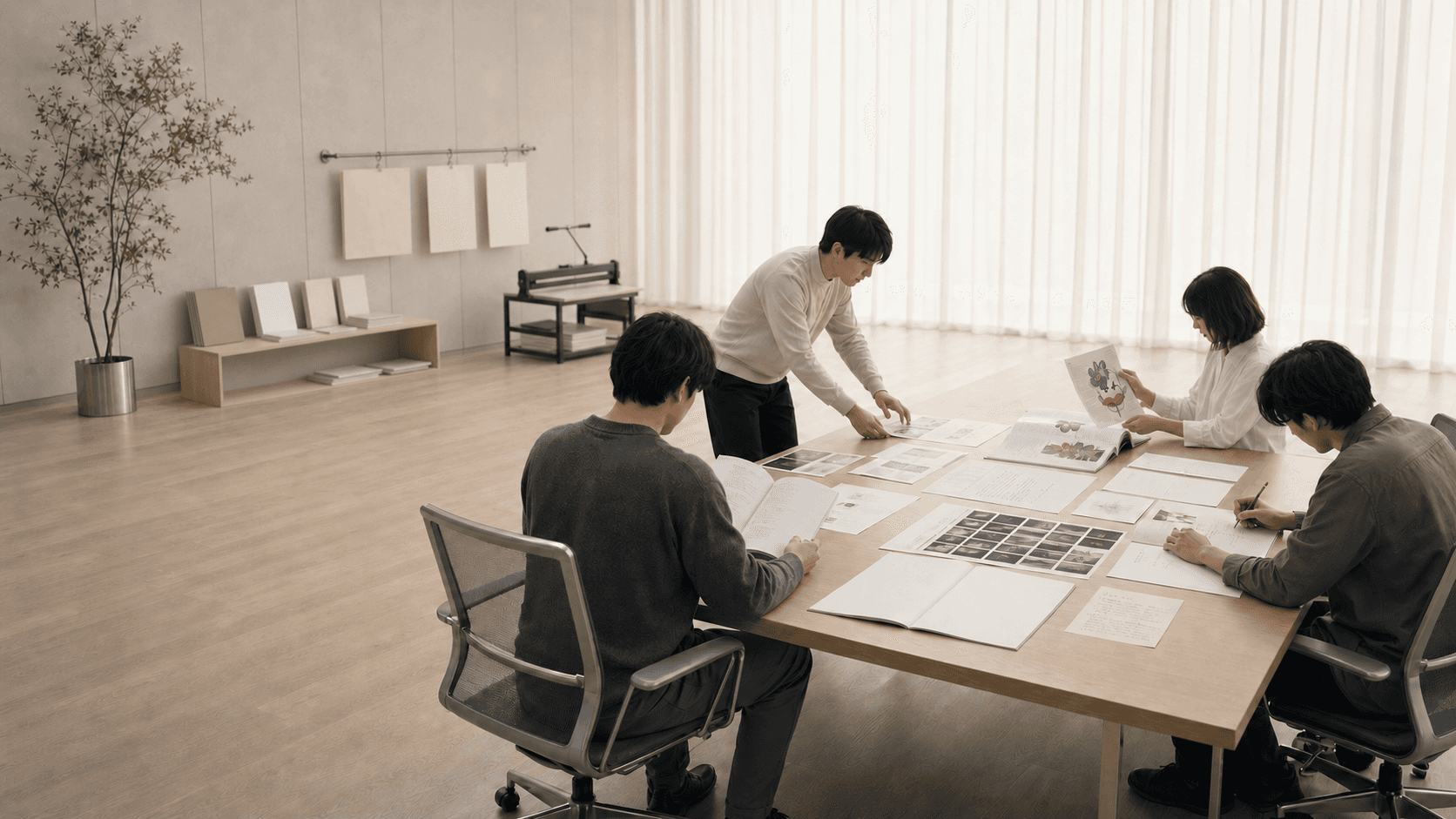
Develop a typography system that guides attention.
Organise content around narrative relationships
Research editorial structures and reading behaviours.
Develop a typography system that guides attention.
Translate the editorial logic into a complete publication.
00
00
00
00
00
00
00
00
00
00
00
00
00
00
00
00
00
00
00
00
00
00
00
00
00
00
00
00
00
00
00
00
00
00
00
00
00
00
00
00
00
00
00
00
00
00
00
00
00
00
00
00
00
00
00
00
00
00
00
00
00
00
00
00
00
00
00
00
00
00
00
00
00
00
00
00
00
00
00
00



00
00
00
00
00
00
00
00
00
00
00
00
00
00
00
00
00
00
00
00
00
00
00
00
00
00
00
00
00
00
00
00
00
00
00
00
00
00
00
00
00
00
00
00
00
00
00
00
00
00
00
00
00
00
00
00
00
00
00
00
00
00
00
00
00
00
00
00
00
00
00
00
00
00
00
00
00
00
00
00


The design does not sit around the content. It determines how the content is encountered.
Within that system:
typography establishes hierarchy;
layout controls rhythm;
sequencing creates emotional progression;
spacing introduces silence and emphasis;
editorial structure connects individual stories into a larger experience.
Communication
System
Deear Magazine uses publication design as a system for directing attention and shaping meaning.
00
00
00
00
00
00
00
00
00
00
00
00
00
00
00
00
00
00
00
00
00
00
00
00
00
00
00
00
00
00
00
00
00
00
00
00
00
00
00
00
00
00
00
00
00
00
00
00
00
00
00
00
00
00
00
00
00
00
00
00
00
00
00
00
00
00
00
00
00
00
00
00
00
00
00
00
00
00
00
00


The project results in an editorial publication, a typography system, narrative layouts, a publication design system, and a visual storytelling framework.
Together, these elements create continuity across individual pages while allowing each story its own tone. The publication functions as one reading experience rather than a series of disconnected compositions.
Outcome
00
00
00
00
00
00
00
00
00
00
00
00
00
00
00
00
00
00
00
00
00
00
00
00
00
00
00
00
00
00
00
00
00
00
00
00
00
00
00
00
00
00
00
00
00
00
00
00
00
00
00
00
00
00
00
00
00
00
00
00
00
00
00
00
00
00
00
00
00
00
00
00
00
00
00
00
00
00
00
00
Reflection
Deear Magazine reinforced my understanding that communication depends on rhythm as much as information.
Meaning emerges through how people move through content, not only through the content itself. Editorial design became a way of working with time: deciding when to reveal, when to connect, and when to leave space for the reader.
more >>